
Why Cats Hide During Hurricanes—And When It Becomes Dangerous
Understanding Your Cat's Behavior During Florida's Hurricane Season
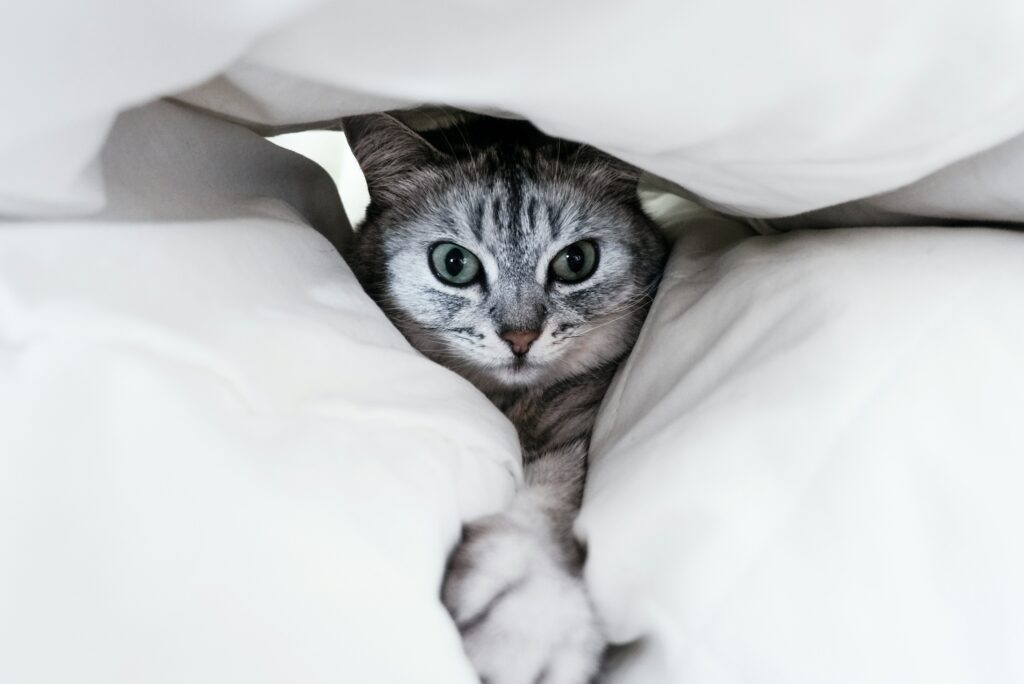
When hurricane season arrives in Florida, many cat owners notice something unusual – their once-curious feline suddenly disappears.
You search under the bed, behind the couch, inside closets, and even in cabinets, only to discover your cat tucked away in a dark, quiet corner.
If this has happened to you, don’t panic.
Hiding is one of the most common ways cats respond to stressful situations, including hurricanes and severe thunderstorms. Loud winds, thunder, lightning, changes in air pressure, and disruptions to their normal routine can trigger your cat’s natural survival instincts.
While hiding is usually normal, there are times when it can signal a more serious problem. Knowing the difference can help you protect your cat’s health and know when it’s time to seek veterinary care.
At UrbanPawz Animal Clinic, we’re committed to helping Florida pet owners keep their cats safe, healthy, and calm before, during, and after hurricane season.
Why Do Cats Hide During Hurricanes?
Cats experience the world differently than humans. Their sharp hearing, keen sense of smell, and ability to detect subtle environmental changes make them highly sensitive to approaching storms.
Before you even hear thunder, your cat may already notice:
- Changes in air pressure
- Strong winds
- Vibrations around the home
- Distant thunder
- Increased household activity
- Flashing lightning
To your cat, these changes may feel like a potential threat. Their instinct is to find a secure hiding place until they believe the danger has passed.
Common hiding places include:
- Under beds
- Inside closets
- Behind furniture
- Under blankets
- Inside laundry rooms
- Behind appliances
- Inside open pet carriers
- Quiet corners of the house
Providing a safe hiding place allows your cat to cope with stress in a way that feels natural.
When Is Hiding Normal?
For many cats, hiding during a hurricane is completely normal.
Your cat is likely coping well if they:
- Continue eating and drinking.
- Use the litter box normally.
- Come out occasionally when the house is quiet.
- Return to their usual behavior after the storm.
Avoid forcing your cat out of hiding. Instead, let them come out when they feel comfortable. Giving them control over their environment often helps reduce anxiety.
When Does Hiding Become Dangerous?
Although hiding is expected during stressful weather, it shouldn’t be ignored if it’s accompanied by other concerning symptoms.
Contact your veterinarian if your cat:
- Refuses food for an extended period
- Stops drinking water
- Hasn’t used the litter box
- Vomits repeatedly
- Has diarrhea
- Appears weak or unusually tired
- Has difficulty breathing
- Shows signs of injury
- Continues hiding long after the storm has ended
Cats are experts at hiding illness. If your cat’s behavior changes dramatically, it’s always safest to have them evaluated by a veterinarian.
How to Help Your Cat Feel Safe During a Hurricane
Preparing your home before the storm can make a big difference in how your cat responds.
Create a Safe Room
Choose a quiet interior room away from windows and heavy foot traffic.
Include:
- Your cat’s bed
- Fresh food and water
- A clean litter box
- Favorite toys
- Soft blankets
- An open pet carrier for hiding
Keeping familiar items together helps create a sense of comfort and security.
Keep a Routine
Cats thrive on consistency.
Whenever possible:
- Feed meals at the usual times.
- Keep the litter box clean.
- Speak calmly.
- Avoid loud music or sudden noises.
- Limit unnecessary household activity.
Maintaining familiar routines helps reduce stress.
Never Let Your Cat Outside
Even indoor cats may panic during severe weather.
Strong winds, loud noises, and damaged surroundings can cause frightened cats to run away or become injured.
Keep your cat safely indoors until local authorities confirm conditions are safe.
Helping Your Cat Recover After the Storm
Your cat may not immediately return to normal once the hurricane passes.
Some cats remain nervous for several days.
Help them recover by:
- Allowing them to leave their hiding place at their own pace
- Offering fresh food and clean water
- Playing gently when they seem interested
- Avoiding sudden changes to their routine
- Monitoring appetite and litter box habits
If your cat continues hiding or refuses to eat after the storm, schedule a veterinary appointment.
How Pet Telehealth Can Help
After a hurricane, traveling to a veterinary clinic may not always be possible due to flooded roads, fallen trees, or other safety concerns.
For appropriate non-emergency concerns, pet telehealth can provide convenient access to professional veterinary guidance.
A virtual consultation may help you discuss:
- Appetite loss
- Mild anxiety
- Nutrition questions
- Hydration concerns
- Recovery after the storm
- Behavioral changes
If your veterinarian believes your cat needs a physical examination, they will advise you to bring your pet to the clinic as soon as it is safe to do so.
Trust UrbanPawz Animal Clinic This Hurricane Season
Every hurricane season is different, but your commitment to your cat’s health should remain the same.
At UrbanPawz Animal Clinic, we provide compassionate veterinary care, preventive wellness services, nutrition guidance, behavioral support, and pet telehealth consultations for eligible non-emergency concerns.
Whether your cat is hiding because of storm anxiety or showing signs of illness after severe weather, our experienced veterinary team is here to help you make informed decisions about your pet’s health.
By preparing ahead of time and knowing what signs to watch for, you can help your cat stay safe and healthy throughout hurricane season.
Frequently Asked Questions About Hurricane
Cats have highly sensitive senses and can often detect changes in air pressure, wind, vibrations, and distant thunder before humans do. Hiding is a natural survival instinct that helps them feel safe until they believe the danger has passed.
No. Forcing your cat out of a hiding place can increase stress and anxiety. Instead, provide a quiet environment with easy access to food, fresh water, and a litter box, and allow your cat to come out when they feel secure.
You should contact your veterinarian if your cat continues hiding after the storm and also refuses food or water, has trouble breathing, vomits, has diarrhea, appears weak, or shows any signs of injury or illness.
Yes. Hurricanes can be extremely stressful for cats due to loud noises, strong winds, changes in routine, and unfamiliar surroundings. Some cats may hide, while others may become clingy, vocal, or less interested in eating.
For eligible non-emergency concerns, pet telehealth can be a convenient way to discuss your cat's behavior, appetite changes, nutrition, or recovery after a storm. If your veterinarian determines that your cat requires a physical examination or emergency treatment, they will advise you to visit the clinic as soon as it is safe.
Help Your Cat Feel Safe This Hurricane Season
Hiding is one of the ways cats protect themselves during stressful situations, but it's important to know when normal behavior becomes a sign that something may be wrong.
By preparing your home before hurricane season, maintaining your cat's routine, monitoring their eating and drinking habits, and recognizing the warning signs of illness, you can help your feline companion stay healthy and comfortable throughout the storm.
If you're ever unsure whether your cat's behavior is normal, it's always best to seek professional veterinary guidance.
🐾 Schedule Your Cat's Wellness Visit at UrbanPawz Animal Clinic
Whether your cat needs a routine wellness exam, nutritional advice, behavioral support, or guidance after a hurricane, UrbanPawz Animal Clinic is here to help.
Our experienced veterinary team is dedicated to providing compassionate care that keeps your cat healthy through every season. We also offer pet telehealth consultations for eligible non-emergency concerns, making it easier to receive professional advice when travel may be difficult.

