Running Out of Pet Food During a Hurricane? What to Feed Your Dog or Cat Safely
Running Out of Pet Food During a Hurricane? What to Feed Your Dog or Cat Safely
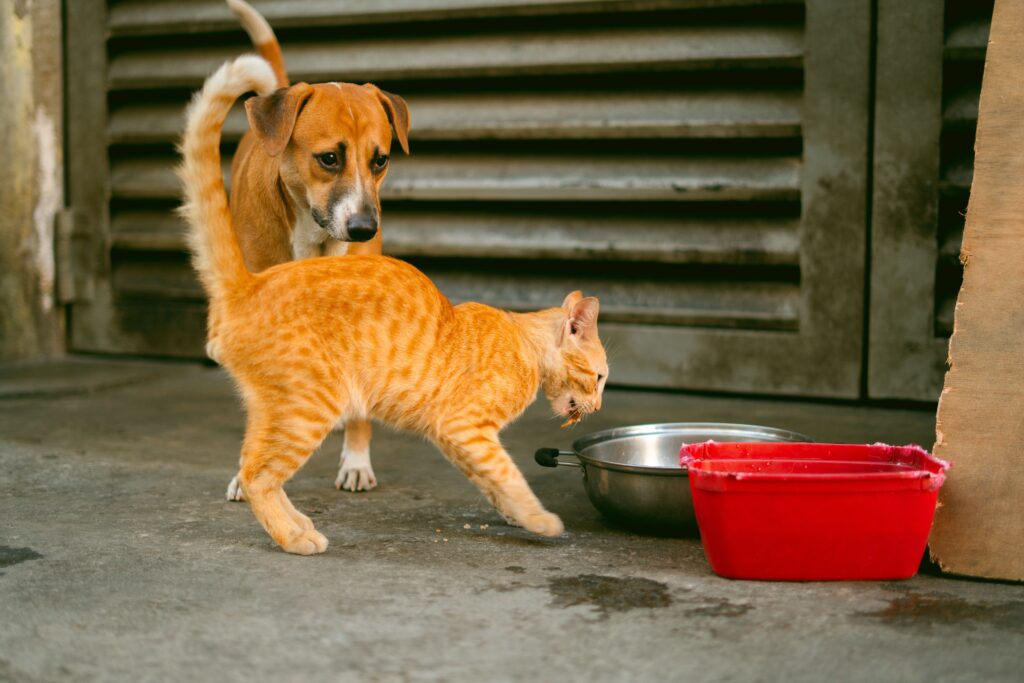
What happens when the hurricane arrives, the stores close, roads become unsafe, and you realize your pet’s food supply is running low?
For Florida pet parents, this is more than an inconvenience. During hurricane season, power outages, flooding, transportation disruptions, and temporary store closures can make it difficult to get your pet’s usual food.
Your first instinct may be to share whatever food is available in your kitchen.
But not everything that is safe for people is safe for dogs and cats.
A temporary feeding emergency requires careful choices. The goal is to keep your pet fed and hydrated while avoiding foods that could cause vomiting, diarrhea, poisoning, pancreatitis, or other health problems.
In this guide, UrbanPawz Animal Clinic explains what to do if you run out of pet food during a hurricane, which temporary foods may be appropriate for some healthy pets, which foods to avoid, and when you should contact a veterinarian.
Important: Temporary emergency feeding advice is not a substitute for a complete and balanced pet diet. Puppies, kittens, senior pets, pregnant or nursing pets, and animals with medical conditions or prescription diets may have very different nutritional requirements. Contact your veterinarian before making significant dietary changes whenever possible.
What Should You Do If You Run Out of Pet Food During a Hurricane?
If your pet’s normal food is running low, don’t panic.
First, determine exactly how much food you have left and how long you may need to go without your normal supply.
Then:
- Continue feeding the normal food while you have it.
- Check whether another safe supply is available.
- Contact your veterinarian if your pet has special dietary requirements.
- Avoid making unnecessary sudden dietary changes.
- Never substitute potentially toxic foods simply because they are available.
- Make sure your pet has access to clean drinking water.
- Return to your pet’s normal complete and balanced diet as soon as it becomes available.
If your pet has a prescription diet, do not assume a homemade substitute will provide the same nutritional or therapeutic benefits.
Can Dogs and Cats Eat Human Food During a Hurricane?
Sometimes, certain human foods can be used temporarily for healthy pets, but there is an important distinction between safe ingredients and a complete pet diet.
Dogs and cats have specific nutritional requirements.
A meal made from one or two human foods may provide calories, but it may not provide all the nutrients your pet needs.
This becomes especially important if the emergency lasts several days.
Dogs generally have more flexibility than cats
Healthy adult dogs can sometimes tolerate carefully selected temporary foods better than cats.
Cats, however, are obligate carnivores and have specific nutritional requirements that make improvised diets more complicated.
That means you should be particularly cautious about trying to feed a cat a homemade emergency diet for an extended period.
What Can You Feed a Dog Temporarily If You Run Out of Dog Food?
For a short-term emergency involving a healthy adult dog, some plain, properly cooked foods may be reasonable temporary options.
Examples can include:
Plain cooked chicken
Remove bones, skin, and excess fat.
Do not use chicken prepared with:
- Garlic
- Onion
- Heavy seasoning
- Spicy sauces
- Excessive salt
- Butter or rich sauces
Plain cooked turkey
Use lean, unseasoned meat.
Avoid turkey containing bones, skin, gravy, stuffing, or seasoning.
Plain cooked eggs
Fully cooked eggs can provide protein and calories.
Avoid adding salt, butter, cheese, spices, or other ingredients.
Plain cooked rice
Plain white rice can provide carbohydrates and calories and is commonly used as a temporary bland food in some veterinary situations.
However, rice alone is not a complete diet for a dog.
Plain cooked vegetables
Some dogs can safely eat small amounts of certain plain vegetables, such as cooked carrots or green beans.
These should be served without butter, sauces, garlic, onion, or heavy seasoning.
What About Feeding a Dog Meat From Your Own Meals?
Be careful.
The meat itself may not be the problem—the preparation often is.
A piece of plain cooked chicken may be very different from chicken covered in seasoning, sauce, onions, garlic, or excessive fat.
During a hurricane, avoid turning your dog’s emergency meal into a plate of leftovers.
Plain and unseasoned is the safer approach.
What Can You Feed a Cat If You Run Out of Cat Food?
This situation requires more caution.
Cats have nutritional requirements that cannot be met adequately by simply giving them random human foods.
For a very short-term emergency, a healthy adult cat may potentially eat small amounts of plain, fully cooked animal protein such as:
- Plain cooked chicken
- Plain cooked turkey
- Plain cooked beef
- Plain cooked fish without bones
The food should be:
- Fully cooked
- Unseasoned
- Free of bones
- Free of sauces
- Free of onion and garlic
- Free of excessive salt
- Free of spicy ingredients
However, these foods should not be treated as a long-term replacement for a nutritionally complete cat food.
If you expect to be without appropriate cat food for more than a short period, contact your veterinarian for individualized advice.
Why Cats Are More Complicated During a Food Emergency
Cats aren’t simply small dogs when it comes to nutrition.
Their bodies require specific nutrients, including nutrients that must be supplied through their diet.
This is why feeding a cat nothing but meat for an extended period is not an appropriate substitute for a complete and balanced feline diet.
Another concern is appetite.
A stressed cat may refuse unfamiliar food altogether.
Hurricanes can already disrupt eating habits because of:
- Loud noises
- Anxiety
- Changes in routine
- Heat
- Evacuation
- Unfamiliar surroundings
If your cat refuses to eat, don’t assume they are simply being picky.
Persistent food refusal can become a serious health concern, particularly in overweight cats.
What Foods Should You NEVER Feed Your Dog or Cat During a Hurricane?
When food supplies are limited, it can be tempting to feed whatever is available.
Don’t.
Some foods can cause serious illness or even become life-threatening.
Avoid Chocolate
Chocolate contains substances that can be toxic to dogs and cats.
The risk depends on factors such as the type and amount consumed and the size of the animal.
If your pet eats chocolate, contact a veterinarian promptly.
Avoid Onions and Garlic
Onions, garlic, and related foods can be harmful to dogs and cats.
This includes ingredients found in:
- Seasonings
- Sauces
- Gravies
- Stuffing
- Some prepared meats
Don’t assume that a small amount mixed into leftovers is automatically safe.
Avoid Grapes and Raisins
Grapes and raisins can cause serious kidney problems in dogs.
Because the toxic dose is unpredictable, they should not be intentionally fed to pets.
Avoid Foods Containing Xylitol
Xylitol is a sweetener that can be found in certain sugar-free products.
It can be highly toxic to dogs.
Check labels carefully and keep potentially dangerous products away from pets.
Avoid Alcohol
Never give alcoholic beverages to pets.
Avoid Cooked Bones
Cooked bones can splinter and cause choking, gastrointestinal injury, or intestinal obstruction.
During a hurricane, when access to veterinary care may be limited, giving your pet bones is an unnecessary risk.
Avoid Very Fatty Foods
Fatty foods can cause digestive upset and may contribute to pancreatitis in susceptible dogs.
Avoid giving pets:
- Greasy leftovers
- Fried foods
- Bacon grease
- Heavy sauces
- Fat trimmings
Don't Feed Your Pet Spoiled Food Just Because You're Running Low
A hurricane may cause power outages.
That creates another food safety issue.
If refrigerated or perishable food has been sitting at unsafe temperatures, don’t feed it to your pet simply because you’re trying to avoid waste.
Spoiled food can make pets sick too.
When evaluating food after a power outage, consider:
- How long the food was unrefrigerated
- How warm the environment became
- Whether the package was opened
- Whether the food was exposed to floodwater
- Whether there are signs of spoilage
If you’re uncertain whether food is safe, discard it.
Your pet’s health is more valuable than a container of leftovers.
What About Baby Food?
Some plain meat-based baby foods may appear convenient during an emergency.
However, always read the ingredient label carefully.
Some baby foods contain onion or garlic powder, which can be harmful to pets.
Baby food should not automatically be considered a safe pet food substitute.
If you are considering it for a specific medical reason or because your pet refuses other food, ask your veterinarian first.
What About Tuna for Cats?
Tuna may seem like the perfect emergency food because many cats love it.
But tuna intended for humans is not nutritionally complete for cats.
It should not become your cat’s primary diet.
Additionally, some canned tuna products may contain ingredients or levels of sodium that make them inappropriate as a regular food source.
If you have access to a complete and balanced cat food, use that instead.
What About Milk?
Many cats and dogs do not digest lactose well.
Giving milk during a hurricane can potentially cause:
- Diarrhea
- Gas
- Stomach discomfort
And diarrhea is the last thing you want your pet dealing with when veterinary access may be limited.
Fresh, clean drinking water is the priority.
Hydration Is Just as Important as Food
Food shortages may be easier to notice than water problems.
But dehydration can become dangerous, particularly in Florida’s heat.
Make sure your emergency pet supplies include enough clean drinking water for your animals.
Monitor your pet for changes such as:
- Reduced drinking
- Weakness
- Lethargy
- Dry or tacky gums
- Reduced urination
- Vomiting
- Diarrhea
If your pet is showing signs of significant dehydration or illness, contact a veterinarian promptly.
What If Your Pet Has a Prescription Diet?
This is one of the most important considerations during hurricane preparation.
Pets with conditions such as kidney disease, diabetes, urinary problems, food allergies, gastrointestinal disease, or other chronic conditions may depend on specialized nutrition.
If you run out of a prescription diet:
Do not assume a homemade meal is an equivalent replacement.
Contact your veterinary team and explain:
- What food your pet normally eats
- How much remains
- Your pet’s medical condition
- How long you expect supplies to be unavailable
- What alternative foods you have access to
Your veterinarian can help determine the safest available option.
Hydration Is Just as Important as Food
Food shortages may be easier to notice than water problems.
But dehydration can become dangerous, particularly in Florida’s heat.
Make sure your emergency pet supplies include enough clean drinking water for your animals.
Monitor your pet for changes such as:
- Reduced drinking
- Weakness
- Lethargy
- Dry or tacky gums
- Reduced urination
- Vomiting
- Diarrhea
If your pet is showing signs of significant dehydration or illness, contact a veterinarian promptly.
What If Your Pet Has a Prescription Diet?
This is one of the most important considerations during hurricane preparation.
Pets with conditions such as kidney disease, diabetes, urinary problems, food allergies, gastrointestinal disease, or other chronic conditions may depend on specialized nutrition.
If you run out of a prescription diet:
Do not assume a homemade meal is an equivalent replacement.
Contact your veterinary team and explain:
- What food your pet normally eats
- How much remains
- Your pet’s medical condition
- How long you expect supplies to be unavailable
- What alternative foods you have access to
Your veterinarian can help determine the safest available option.
What If Your Pet Has a Prescription Diet?
Emergency feeding advice for a healthy adult animal may not apply to every pet.
Puppies and Kittens
Young animals have different energy and nutritional requirements and may be more vulnerable to inadequate nutrition.
Senior Pets
Older pets may have underlying kidney, heart, digestive, dental, or metabolic conditions that affect what they should eat.
Diabetic Pets
Changes in food intake can affect blood glucose management and medication requirements.
Pets With Chronic Disease
Pets with ongoing medical conditions may require carefully controlled nutrition.
For these pets, veterinary guidance should come before improvising their diet whenever possible.
What If Your Dog or Cat Refuses the Emergency Food?
Don’t immediately assume your pet is being stubborn.
A sudden change in food combined with hurricane-related stress can cause an animal to refuse a meal.
Try:
- Offering familiar food if you still have some
- Keeping meals in a quiet location
- Maintaining the normal feeding schedule
- Providing fresh water
- Avoiding constant changes between different foods
If your pet continues refusing food or develops other symptoms, contact your veterinarian.
How Pet Telehealth Can Help During a Hurricane
One of the advantages of having a veterinary relationship before hurricane season is knowing where to turn when something changes.
If you’re running out of pet food and your normal supply is unavailable, an appropriate telehealth consultation may allow you to discuss your pet’s nutritional situation without immediately traveling.
For eligible non-emergency concerns, UrbanPawz Animal Clinic’s virtual veterinary service can provide guidance regarding areas such as dietary advice, general wellness questions, and follow-up care.
A veterinarian may consider:
- Your pet’s age
- Weight
- Medical history
- Current diet
- Medication
- Symptoms
- Available food options
This is especially valuable when you aren’t sure whether an alternative food is appropriate.
However, telehealth is not emergency treatment.
If your pet is experiencing difficulty breathing, collapse, severe vomiting, poisoning, severe injury, seizures, or another potentially life-threatening problem, seek urgent in-person veterinary care.
How Much Pet Food Should You Store Before Hurricane Season?
Don’t wait until a hurricane warning appears to stock up.
A practical preparedness goal is to maintain at least two weeks of your pet’s normal food, with additional planning for pets that require prescription diets.
Your emergency supply should include:
- Regular dog or cat food
- Prescription food
- Treats
- Clean drinking water
- Food bowls
- Measuring cup
- Manual can opener
- Airtight storage containers
- Medications
Store dry food in a cool, dry location and keep it protected from moisture and flooding.
For canned or refrigerated food, follow appropriate food-storage and food-safety guidance.
The Best Emergency Pet Food Is the Food You Prepared Before the Storm
The safest emergency feeding strategy isn’t figuring out which human foods to give your pet after the hurricane has already arrived.
It’s preventing the food shortage in the first place.
Before hurricane season:
Buy early. Store safely. Know your pet’s nutritional needs. Have a backup plan.
If your dog or cat has a medical condition, speak with your veterinarian about an individualized emergency nutrition plan.
Frequently Asked Questions About Hurricane
Plain, fully cooked, boneless and unseasoned chicken may be used as a temporary food for some healthy adult dogs, but it is not a complete and balanced long-term diet. Avoid chicken prepared with onion, garlic, heavy seasoning, sauces, or excessive fat.
For a very short-term emergency, healthy adult cats may potentially eat small amounts of plain, fully cooked animal protein. However, cats have specific nutritional requirements, so homemade food should not replace complete and balanced cat food for an extended period. Contact your veterinarian for individualized advice.
Some plain foods may be safe, but many leftovers contain ingredients that are inappropriate or toxic to pets. Avoid foods containing onion, garlic, chocolate, grapes, raisins, xylitol, alcohol, excessive fat, or heavy seasoning.
Cats should not be allowed to go without food for an extended period. Prolonged food refusal can become particularly dangerous for overweight cats. If your cat stops eating, contact a veterinarian rather than waiting for the situation to resolve on its own.
For appropriate non-emergency situations, a virtual veterinary consultation may help you discuss safe temporary feeding options based on your pet's health, diet, and medical history. UrbanPawz Animal Clinic offers virtual veterinary consultations for eligible concerns.
Keep Your Pet Fed, Hydrated, and Safe This Hurricane Season
Running out of pet food during a hurricane can be frightening, but preparation can prevent an emergency from becoming a health crisis.
Keep your pet's normal food stocked before the storm. Store it safely. Have clean water available. Avoid dangerous human foods, and never assume that a homemade diet is nutritionally equivalent to your pet's regular food.
Most importantly, know your pet's individual nutritional needs.
If your dog or cat has a medical condition, takes medication, follows a prescription diet, or develops concerning symptoms during a hurricane, don't guess about what to feed them.
Get Your Pet's Hurricane Nutrition Plan Ready With UrbanPawz
At UrbanPawz Animal Clinic, we help Florida pet parents make informed decisions about nutrition, preventive care, wellness, and appropriate veterinary support.
Before hurricane season puts your pet's normal routine at risk, talk with your veterinary team about your pet's individual needs and create a practical emergency plan today.

