
Hurricane Season Pet Nutrition Guide: How to Feed Your Pets for Better Health During Florida Storms + When to Use Pet Telehealth
Hurricane Season Pet Nutrition Guide
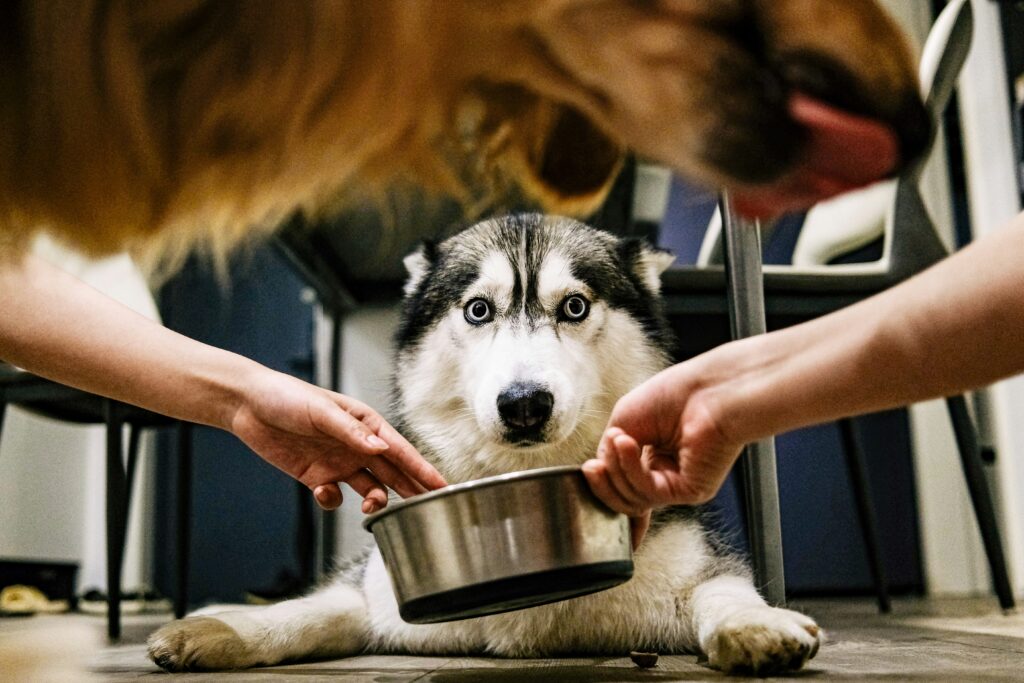
Florida’s hurricane season brings more than heavy rain, flooding, strong winds, and power outages. It also creates significant challenges for pet owners trying to keep their dogs and cats healthy, hydrated, and well-fed during emergencies.
When families prepare for hurricanes, they often stock up on bottled water, canned food, batteries, flashlights, and emergency supplies. Unfortunately, many overlook one important family member: their pets.
A sudden evacuation, prolonged power outage, transportation disruption, or limited access to grocery stores and veterinary clinics can quickly affect your pet’s nutrition and overall well-being. Even healthy pets may experience stress-related digestive issues, dehydration, appetite changes, or weakened immunity during severe storms.
The good news is that proper planning can make a tremendous difference. By choosing the right foods, storing emergency pet supplies correctly, maintaining hydration, and taking advantage of modern pet telehealth services, you can protect your pet’s health before, during, and after a hurricane.
At UrbanPawz Animal Clinic, we believe that preparation saves lives. Whether you have a playful puppy, an aging senior dog, an energetic kitten, or a cat with a chronic medical condition, our veterinary professionals are committed to helping Florida pet owners make informed decisions—even when weather conditions make in-person visits difficult.
This comprehensive guide explains exactly how to feed your pets during hurricane season, which foods provide the best nutrition, common feeding mistakes to avoid, and how telehealth veterinary consultations can help keep your furry family members safe throughout the storm season.
Why Hurricane Season Can Affect Your Pet's Nutrition
Many pet owners assume that if they have enough pet food stored away, their animals will be fine throughout the hurricane. However, nutrition involves much more than simply having food available.
During severe weather, pets experience physical and emotional changes that can alter their dietary needs.
Some of the most common hurricane-related stressors include:
- Loud thunder and lightning
- Changes in routine
- Anxiety from unfamiliar environments
- Evacuations
- Reduced exercise
- Heat caused by power outages
- Limited access to clean water
- Changes in feeding schedules
These factors can reduce appetite, upset digestion, increase dehydration risk, and even trigger existing medical conditions.
Dogs and cats thrive on consistency. Hurricanes disrupt nearly every aspect of their normal daily routine, making nutritional planning an essential part of emergency preparedness.
How Stress Changes Your Dog or Cat's Nutritional Needs
Just like humans, pets release stress hormones during frightening situations.
Elevated stress hormones can:
- Reduce appetite
- Cause nausea
- Trigger vomiting
- Lead to diarrhea
- Increase water loss
- Weaken immune function
- Affect blood sugar regulation
Some pets refuse to eat for an entire day after experiencing a major storm, while others overeat due to anxiety.
Maintaining a consistent feeding schedule and offering familiar, nutrient-rich foods helps minimize these effects.
Signs Your Pet's Diet May Be Affected During Hurricane Season
Pay close attention to your pet if you notice:
Dogs
- Refusing meals
- Drinking less water
- Vomiting
- Loose stool
- Lethargy
- Excessive panting
- Weight loss
- Constant pacing
Cats
- Hiding for long periods
- Refusing food
- Reduced grooming
- Constipation
- Vomiting hairballs more frequently
- Increased aggression
- Drinking less water
If these symptoms persist beyond 24 hours or are severe, consult a veterinarian promptly. Telehealth services can be an excellent first step when travel is unsafe due to weather conditions.
Building a Hurricane-Ready Nutrition Plan for Dogs
The best emergency diet is one that closely matches your dog’s regular food.
Avoid making sudden dietary changes during hurricane season.
Instead, prepare in advance.
1. Keep at Least Two Weeks of Dog Food
Experts generally recommend storing 14–21 days of your dog’s normal food.
This prevents digestive upset caused by switching brands during an emergency.
Rotate your emergency supply regularly so food remains fresh.
2. Choose Nutritionally Complete Dog Food
Whether you purchase dry kibble or canned food, look for products that provide:
- Complete and balanced nutrition
- High-quality animal protein
- Healthy fats
- Essential vitamins
- Minerals
- Digestible carbohydrates
- Omega fatty acids
Complete diets help maintain energy, muscle health, skin condition, and immune function during stressful periods.
3. Prioritize High-Quality Protein
Protein supports:
- Muscle maintenance
- Tissue repair
- Immune health
- Recovery from stress
Excellent protein sources include:
- Chicken
- Turkey
- Beef
- Lamb
- Salmon
- Whitefish
Avoid foods containing excessive fillers that provide little nutritional value.
4. Healthy Fats Provide Emergency Energy
Dogs often expend more energy during stressful situations.
Healthy fats supply concentrated calories while supporting:
- Brain function
- Skin health
- Coat quality
- Joint function
Good fat sources include:
- Fish oil
- Chicken fat
- Flaxseed
- Salmon oil
5. Don't Forget Fiber
Digestive problems become more common during hurricane season.
Fiber supports:
- Healthy bowel movements
- Gut bacteria
- Improved digestion
Look for ingredients like:
- Pumpkin
- Sweet potatoes
- Brown rice
- Oats
Foods That Can Help Dogs During Stressful Weather
Some veterinarian-approved foods may help support digestion during stressful periods.
Examples include:
Pumpkin
Plain canned pumpkin contains soluble fiber that helps regulate digestion.
Never use pumpkin pie filling.
Plain Cooked Chicken
Boiled chicken is gentle on sensitive stomachs and provides lean protein.
White Rice
Rice is easily digestible and may help dogs recovering from mild stomach upset.
Sweet Potatoes
Rich in fiber, vitamins, and antioxidants.
Carrots
Low-calorie snacks containing vitamin A and fiber.
Green Beans
Excellent for hydration and fiber.
Important: Always introduce new foods gradually whenever possible and consult your veterinarian before making significant dietary changes, especially for pets with underlying medical conditions.
Best Nutrition Strategy for Cats During Hurricane Season
Cats can become especially stressed during storms.
Unlike dogs, cats often stop eating when anxious.
This can become dangerous because prolonged fasting increases the risk of serious liver complications.
Therefore, encouraging consistent eating is extremely important.
1. Stock Familiar Cat Food
Cats are creatures of habit.
Switching brands during an emergency often leads to food refusal.
Keep plenty of your cat’s preferred food on hand.
2. Include Wet Food
Wet food offers several benefits:
- Extra hydration
- Better palatability
- Easier digestion
- Increased water intake
This is especially valuable if your cat naturally drinks very little water.
3. Prioritize Animal Protein
Cats are obligate carnivores.
Their diets should emphasize:
- Chicken
- Turkey
- Tuna
- Salmon
- Beef
Protein supports:
- Muscle maintenance
- Organ function
- Immune health
4. Essential Nutrients Cats Need
Healthy cat food should contain:
- Taurine
- Vitamin A
- Omega fatty acids
- B vitamins
- Calcium
- Phosphorus
These nutrients support heart health, vision, neurological function, and overall wellness.
Healthy Emergency Snacks for Cats
Veterinarian-approved treats may include:
- Plain cooked chicken
- Freeze-dried meat treats
- Small portions of cooked salmon
- Cooked turkey
Avoid feeding table scraps or heavily seasoned foods, as they can upset your cat’s digestive system.
Common Feeding Mistakes During Hurricane Season
When preparing for a storm, avoid these common errors:
- Suddenly changing your pet’s food brand
- Feeding spoiled food after power outages
- Leaving dry food exposed to moisture
- Forgetting fresh drinking water
- Giving excessive treats because your pet seems anxious
- Sharing salty or processed human foods
- Running out of prescription diets
- Overfeeding due to reduced physical activity
A little planning now can prevent digestive issues, nutritional deficiencies, and unnecessary veterinary emergencies later.
Start Preparing Before the Storm Arrives
The days before a hurricane are the best time to review your pet’s diet, check food expiration dates, refill prescription diets, and ensure you have enough clean water for every member of your household—including your pets.
Nutrition is one of the most important foundations of emergency preparedness. A well-fed, well-hydrated pet is generally better equipped to cope with the physical and emotional stress that hurricanes can bring.
Frequently Asked Questions About Hurricane
The best emergency food is the same complete and balanced diet your pet already eats every day. Sudden changes in diet can lead to digestive upset, vomiting, or diarrhea during an already stressful time. Keep at least a 14 to 21-day supply of your pet's regular food, along with bottled water and any prescription diets or medications they require.
Yes. Loud thunder, changing routines, evacuations, and unfamiliar surroundings can cause anxiety that affects your pet's appetite. While some pets may eat less for a short period, refusing food for an extended time—especially in cats—can become a serious health concern. If your pet refuses food for more than 24 hours or shows signs of illness, contact a veterinarian promptly.
Veterinarians recommend keeping at least two to three weeks' worth of pet food for every dog and cat in your household. Rotate your stored food regularly to ensure it stays fresh and check expiration dates before hurricane season begins.
Both can be excellent options. Dry food has a longer shelf life and is easier to store, while canned food provides additional moisture that helps keep pets hydrated, especially if clean drinking water becomes limited. Many pet owners choose to keep a combination of both for added flexibility during emergencies.
If your pet's regular food becomes temporarily unavailable, plain cooked chicken, turkey, salmon, pumpkin (not pumpkin pie filling), white rice, and cooked sweet potatoes may be suitable short-term options for many pets. Avoid seasoned foods, onions, garlic, chocolate, grapes, raisins, xylitol, and other foods known to be toxic to dogs and cats. Always consult your veterinarian before making significant dietary changes.
Always store plenty of clean bottled water specifically for your pets. Replace water bowls regularly, even if they appear clean, and encourage pets to drink frequently. Wet food can also help increase moisture intake, particularly for cats that naturally drink less water.
Keep Your Pet Healthy Before, During, and After Every Storm
Hurricane preparedness isn't just about protecting your home—it's about protecting every member of your family, including the four-legged ones. By providing a balanced diet, maintaining proper hydration, preparing an emergency food supply, and monitoring your pet for any changes in appetite or behavior, you can help them stay healthy and resilient throughout Florida's hurricane season.
🐾 Trust UrbanPawz Animal Clinic for Expert Pet Care: Rain or Shine
Schedule your wellness appointment, stock up on your pet's essentials, and keep UrbanPawz Animal Clinic just a call or click away. Together, we can help your furry family members stay healthy, comfortable, and protected throughout Florida's hurricane season and beyond.

