
Hurricane Season Pet Care: The Complete 2026 Hurricane Preparedness Guide for Florida Pet Parents
Prepare Your Pets for Hurricane Season Before the Storm Arrives
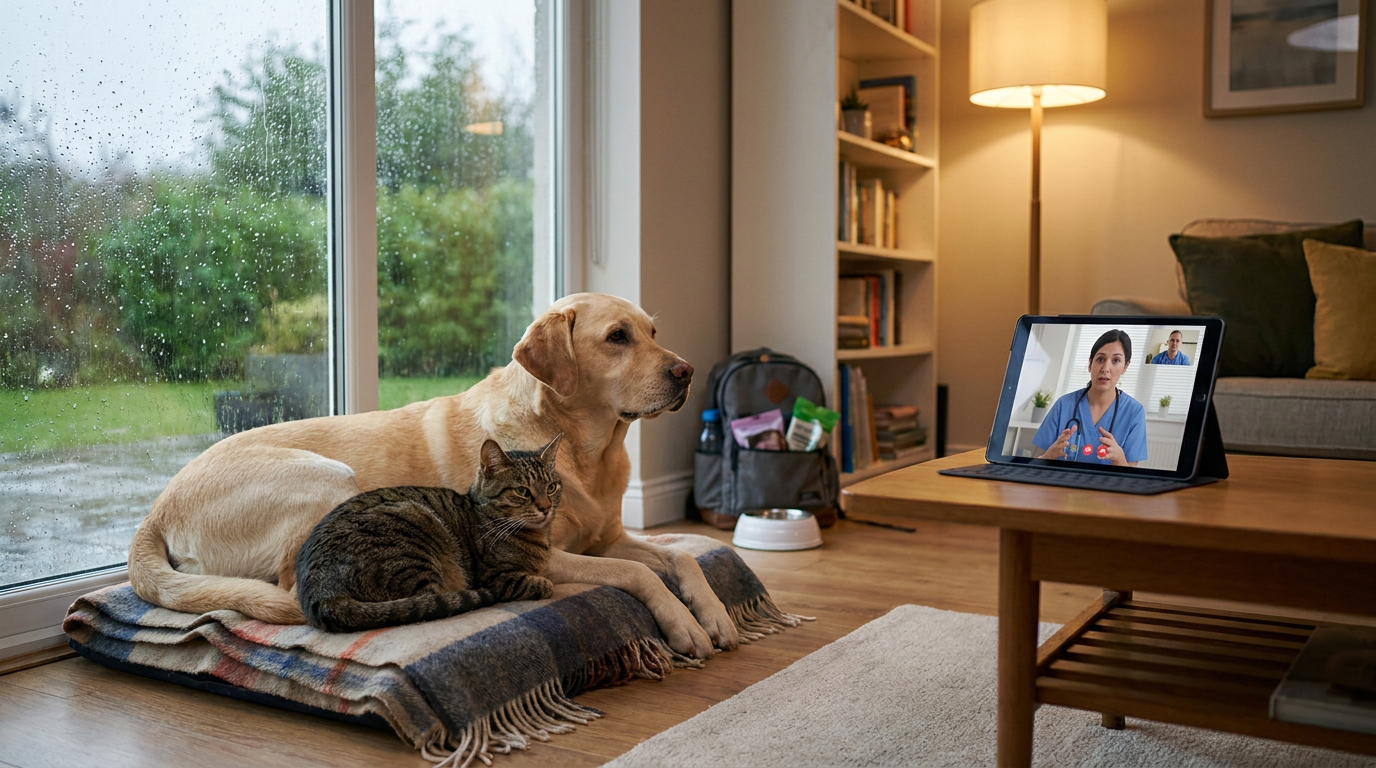
Every year, hurricane season brings unpredictable weather that can disrupt daily life and put families and their pets at risk. Whether you live along the Gulf Coast, the Atlantic Coast, or in inland communities affected by heavy rainfall and flooding, preparing early can make a significant difference.
For pet parents in Florida, hurricane preparedness should begin long before the first storm warning is issued. A well-developed emergency plan helps reduce stress, protects your pet’s health, and ensures you can respond quickly if evacuation becomes necessary.
Dogs and cats rely entirely on their owners during emergencies. Without proper planning, pets can become separated from their families, miss important medications, or experience severe anxiety caused by loud winds, heavy rain, flooding, and unfamiliar surroundings.
This comprehensive Hurricane Season Pet Care Guide for 2026 explains everything you need to know about preparing your pets before, during, and after a hurricane. You’ll also learn how Urbanpawz’s virtual veterinary services can provide professional guidance when local veterinary clinics are closed, overwhelmed, or inaccessible.
Why Hurricane Preparedness Matters for Pets
Many pet owners wait until a hurricane watch is issued before thinking about emergency preparations. Unfortunately, that may already be too late.
By the time a hurricane watch is announced:
- Roads become congested.
- Pet-friendly hotels quickly reach capacity.
- Emergency shelters fill rapidly.
- Veterinary clinics may temporarily close.
- Pharmacies can run out of medications.
- Power outages may interrupt communication.
Preparing weeks before hurricane season allows you to focus on keeping your family calm rather than scrambling for supplies.
Early preparation also reduces your pet’s stress because they become familiar with emergency equipment like carriers, travel crates, harnesses, and evacuation vehicles before they become necessary.
Understanding Hurricane Risks for Pets
Hurricanes present far more dangers than strong winds alone.
Pets may encounter:
- Floodwater contaminated with sewage, chemicals, bacteria, and fuel.
- Downed electrical power lines.
- Sharp debris, broken glass, and roofing materials.
- Toxic household chemicals released during flooding.
- Displaced wildlife, including snakes, rodents, and alligators.
- Heat stress caused by prolonged power outages.
- Carbon monoxide exposure from improperly used generators.
- Severe anxiety triggered by thunder, lightning, and strong winds.
- Separation from their owners during evacuation or rescue efforts.
Even after the storm passes, many hidden hazards remain.
Standing water can contain harmful bacteria, parasites, and chemicals that may cause serious illness if pets drink or walk through it. Broken fences and damaged buildings also increase the risk of pets escaping or becoming injured. This is why pet safety should continue throughout hurricane recovery, not just during evacuation.
Create Your 2026 Pet Emergency Evacuation Plan
One of the most important parts of hurricane preparedness is having a detailed evacuation strategy.
Never assume that every emergency shelter accepts pets.
Research pet-friendly hotels, boarding facilities, family members, and designated emergency shelters before hurricane season begins.
Choose several evacuation routes because highways often become heavily congested during mandatory evacuations.
Identify Safe Locations
Prepare multiple destinations, including:
- Pet-friendly hotels
- Family members outside the evacuation zone
- Friends willing to accommodate pets
- Animal emergency shelters
- Boarding facilities
Having backup options gives you flexibility if your first destination becomes unavailable.
Keep Identification Current
Your pet should always wear:
- An identification tag
- A collar with your current phone number
- A registered microchip with updated contact information
Microchipping remains the most effective way to reunite lost pets with their owners after a natural disaster. Before hurricane season begins, verify that your contact information is current with your pet’s microchip registry.
Prepare Your Pet Before Hurricane Warnings Begin
Waiting until evacuation orders are announced creates unnecessary stress.
Instead, prepare your pet several weeks before hurricane season.
Practice:
- Loading your dog or cat into their carrier.
- Taking short practice drives.
- Rewarding calm behavior.
- Allowing cats to become comfortable inside their carriers.
- Introducing travel crates gradually.
- Teaching your dog basic commands such as “stay,” “come,” and “leave it.”
These simple exercises help reduce anxiety if a real evacuation becomes necessary.
Build a Complete Hurricane Emergency Kit for Your Pets
Every household should maintain a grab-and-go emergency kit specifically designed for pets.
Store supplies inside waterproof containers that are easy to carry and easy to access.
Food and Water
Pack at least a two-week supply of:
- Dry or canned pet food
- Bottled drinking water
- Food bowls
- Water bowls
- Manual can opener (for canned food)
Remember: Floodwater is never safe for pets to drink.
Medical Supplies
Your kit should contain:
- Prescription medications
- Flea and tick preventatives
- Heartworm medication
- First-aid supplies
- Digital thermometer
- Gauze
- Bandages
- Antiseptic wipes
- Disposable gloves
- Tweezers
- Saline solution
Replace expired medications before hurricane season starts, and always keep extra medication if your pet has a chronic illness.
Important Documents
Keep both printed and digital copies of:
- Pet Vaccination records
- Medical history
- Current prescriptions
- Medication schedules
- Emergency contacts
- Microchip registration
- Recent photographs of your pet
Digital copies stored securely through UrbanPawz ensure you can access your pet’s health records from anywhere, even if physical documents become damaged during a storm.
Comfort Items
Storms can be frightening for animals.
Include familiar items such as:
- Favorite toys
- Blankets
- Treats
- Bedding
- Familiar leash
- Extra collar
- Worn clothing carrying your scent
These familiar items help reduce stress during evacuations, shelter stays, and temporary housing.
Sheltering in Place During a Hurricane
Not every storm requires evacuation.
If local officials advise residents to remain indoors, designate a safe room inside your home.
Choose an interior room away from windows, preferably on the lowest level that is not prone to flooding.
Bring your pets indoors well before weather conditions worsen.
Never leave dogs chained outside or allow cats to roam outdoors during severe weather.
Keep pets confined in one secure area with:
- Food
- Fresh drinking water
- Bedding
- Medication
- Toys
- Waste disposal supplies
- Flashlights and extra batteries nearby for visibility
Close curtains and blinds to reduce flashes of lightning and flying debris. Remain calm throughout the storm because your pets often mirror your emotions. Speaking softly and maintaining a familiar routine can help them feel more secure until the storm passes.
Frequently Asked Questions About Storm
The best time to prepare your pet for hurricane season is before the season officially begins. Hurricane season typically runs from June through November, but it's wise to have your emergency plan, evacuation route, and disaster kit ready well in advance. Early preparation gives you enough time to update your pet's vaccinations, replace expired medications, confirm your pet's microchip information, and identify pet-friendly shelters or hotels. Planning ahead also helps reduce stress for both you and your pet if a hurricane warning is issued unexpectedly.
A well-stocked hurricane emergency kit should contain everything your pet may need for at least two weeks. Essential items include:
- A two-week supply of pet food and bottled water
- Prescription medications and supplements
- Vaccination and medical records
- A leash, harness, and sturdy carrier
- Food and water bowls
- Waste disposal bags or litter supplies
- First-aid supplies
- Recent photos of your pet
- Identification tags and updated microchip information
- Comfort items such as blankets, toys, or treats
Keeping these supplies in a waterproof, portable container allows you to evacuate quickly if necessary.
Yes, vets can assess many conditions through virtual appointments, especially minor illnesses, behavioral concerns, and follow-ups. However, if a physical examination, lab test, or emergency care is required, your vet may recommend an in-person visit for a more comprehensive diagnosis.
No. Pets should never be left behind during a hurricane evacuation. Flooding, power outages, structural damage, and limited access to food and water can quickly become life-threatening. Always include your pets in your family's evacuation plans. If local authorities issue an evacuation order, take your pets with you and travel to a pet-friendly shelter, hotel, or another safe location that accepts animals.
Many pets become anxious during hurricanes because of loud thunder, strong winds, changes in air pressure, and unfamiliar surroundings. You can help by creating a quiet, secure space inside your home with their favorite blanket, toys, and bedding. Keep your pet indoors well before the storm arrives and maintain your normal routine as much as possible. Speaking calmly, staying with your pet, and using veterinarian-recommended calming products such as anxiety wraps or pheromone diffusers may also help reduce stress during severe weather.
Be Ready Before the Next Hurricane Strikes
Hurricane season can change lives in a matter of hours, but preparing today can make all the difference for you and your pet. From building an emergency kit and creating an evacuation plan to keeping digital medical records and ensuring your pet is microchipped, every step you take now helps protect your furry family members when severe weather arrives.
Don’t wait until a hurricane warning is issued to start planning. Give yourself peace of mind by preparing early and ensuring you have reliable veterinary support whenever you need it.
With UrbanPawz, you can access 24/7 virtual veterinary triage, securely store your pet’s medical records, receive professional guidance for non-emergency health concerns, and stay connected to expert care—even when local veterinary clinics are closed, roads are flooded, or you’re temporarily displaced.
Whether you’re preparing for hurricane season in Florida, UrbanPawz is here to help you keep your pets healthy, safe, and cared for before, during, and after every storm.
Protect Your Pet Today
Don't leave your pet's safety to chance. Start preparing your hurricane emergency plan today, organize your pet's medical records, build a complete disaster kit, and create your Urbanpawz account so expert veterinary guidance is always within reach.
Prepare today. Stay ready tomorrow. Protect the pets who depend on you.

