
How Long Does It Take a Cat to Recover From Hurricane Stress?
How Long Does It Take a Cat to Recover From Hurricane Stress?
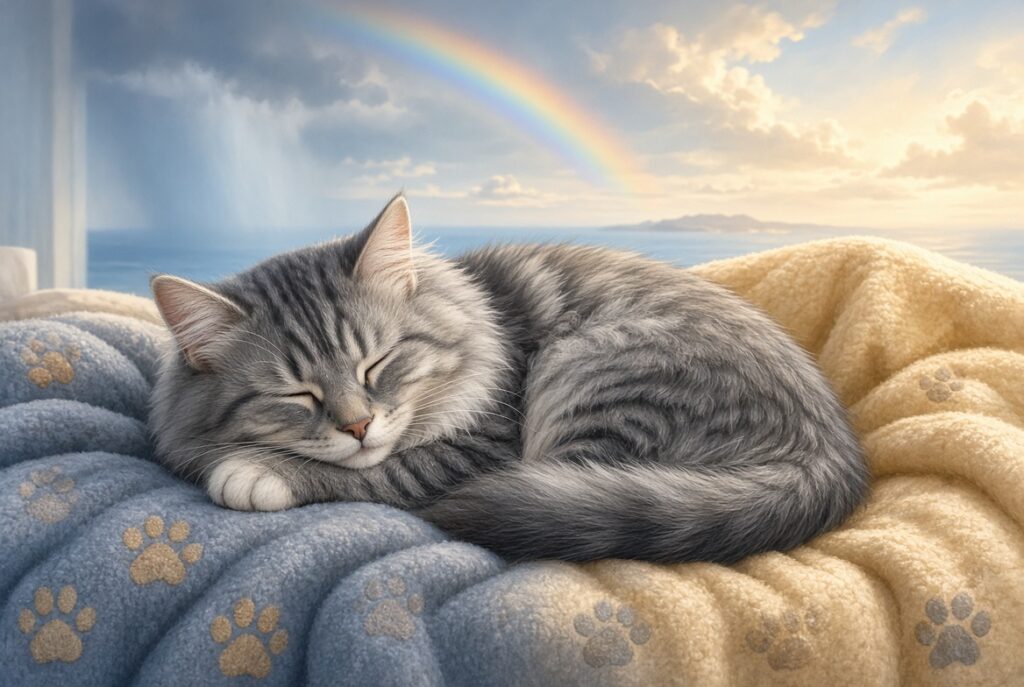
Hurricane season can be frightening for cats. Loud thunder, high winds, lightning, changes in household routines, unfamiliar smells, evacuation, and sudden changes to their environment can trigger fear and anxiety.
Some cats may hide for hours. Others may remain withdrawn for several days after the storm has passed.
But how long is too long?
And how can you tell whether your cat is simply recovering from a stressful experience—or whether something more serious is happening?
For Florida pet parents, understanding the difference is important. Cats are particularly good at concealing pain and illness, so changes in eating, drinking, grooming, litter-box use, activity, and social behavior deserve attention.
The American Association of Feline Practitioners notes that increased hiding, reduced social interaction, decreased exploration and play, and changes in appetite can all be signs of feline stress or anxiety.
This guide explains what to expect after a hurricane and how UrbanPawz Animal Clinic can help you determine when your cat needs additional veterinary support.
How Long Does Hurricane Stress Last in Cats?
There is no single recovery timeline that applies to every cat.
A confident cat may return to normal relatively quickly once the environment becomes quiet and predictable again. A more anxious, older, or particularly sensitive cat may need considerably longer to regain its normal behavior.
As a practical guide:
- First few hours: Your cat may hide, become unusually quiet, or stay close to a preferred safe area.
- First 24 hours: Mild stress behaviors may continue while your cat evaluates whether the environment is safe again.
- Several days: Some cats may remain cautious, hide more than usual, sleep differently, or show temporary changes in appetite and social behavior.
- Beyond several days: Persistent or worsening behavioral or physical changes deserve veterinary attention rather than being automatically attributed to hurricane stress.
The important question isn’t simply “How many days has my cat been hiding?”
Instead, ask:
“Is my cat gradually returning to normal, or are the signs continuing, worsening, or being accompanied by physical symptoms?”
Why Hurricanes Are So Stressful for Cats
Cats are creatures of routine and familiarity.
A hurricane can disrupt almost everything they consider predictable.
Your cat may suddenly experience:
- Thunder and extremely loud noises
- Strong wind and vibrations
- Lightning
- Changes in atmospheric conditions
- Unfamiliar people in the home
- Furniture being moved
- Evacuation or temporary relocation
- New smells
- Changes in feeding schedules
- Changes in litter-box location
- Power outages
- Unfamiliar sounds from generators and emergency equipment
For a territorial animal that relies heavily on familiar surroundings, this can be overwhelming.
Feline behavioral guidance identifies loud noises, changes in the physical environment, unpredictable routines, and unfamiliar handling or experiences as potential stressors.
Common Signs Your Cat Is Still Stressed
Your cat may not tremble or cry like a frightened dog.
Instead, feline stress can be subtle.
Watch for changes such as:
Increased Hiding
Your cat may spend more time:
- Under the bed
- Behind furniture
- In closets
- Inside a carrier
- Under blankets
- In dark corners
Hiding itself isn’t necessarily dangerous. It becomes more concerning when your cat isn’t eating, drinking, eliminating, or gradually returning to normal behavior.
Reduced Social Interaction
A normally affectionate cat may suddenly avoid you.
They may stop:
- Sitting beside you
- Greeting you
- Playing
- Seeking attention
- Sleeping in their usual location
Changes in Appetite
Stress can affect appetite, but appetite loss should not automatically be dismissed as anxiety.
Cats can become medically unwell when they stop eating, so prolonged food refusal warrants veterinary attention. Feline behavioral guidance recommends not allowing cats to go without food for longer than about 24 hours, and even less time may be appropriate for kittens.
Reduced Grooming
Cats are normally meticulous groomers.
A noticeable decline in grooming can indicate that your cat isn’t feeling well emotionally or physically.
Changes in Litter-Box Behavior
Monitor:
- Frequency of urination
- Amount of urine
- Defecation
- Accidents outside the litter box
- Straining
- Repeated trips to the litter box
Any difficulty urinating—particularly in a male cat—should be treated as a potentially urgent veterinary problem rather than simply blamed on stress.
When Should Your Cat Start Returning to Normal?
There isn’t a precise deadline.
Instead, look for gradual improvement.
For example, a cat that initially hides continuously might begin:
- Coming out briefly.
- Eating normally again.
- Using the litter box normally.
- Grooming.
- Exploring the home.
- Playing.
- Seeking attention.
- Returning to its usual sleeping and feeding routine.
Those are encouraging signs.
A cat that remains completely withdrawn, stops eating, stops drinking, develops litter-box problems, or becomes increasingly lethargic should be evaluated by a veterinarian.
The AAFP emphasizes that knowing your cat’s normal daily routine is important because subtle changes can be early indicators of illness or discomfort.
8 Ways to Help Your Cat Recover After a Hurricane
A seizure, collapse, or sudden loss of consciousness can indicate a serious medical problem.
These situations require urgent veterinary attention.
1. Give Your Cat a Safe Space
Don’t force your cat out of hiding.
Instead, create a comfortable area where your cat can retreat.
Include:
- A familiar bed
- Blanket
- Water
- Food
- Litter box
- Favorite toy
- Scratching surface
Cats benefit from familiar spaces and accessible hiding or perching options.
2. Restore Their Normal Routine
Routine is powerful.
Try to return to your cat’s normal:
- Feeding schedule
- Litter-box routine
- Playtime
- Sleep environment
- Human interaction
Predictable interactions and routines can help reduce environmental stress.
3. Don't Force Interaction
You may desperately want to reassure your cat.
But constantly reaching into a hiding place, picking them up, or pulling them out can increase their stress.
Instead, sit nearby, speak calmly, and allow your cat to approach you.
4. Keep the Environment Quiet
After a hurricane, your home may still be noisy.
Generators, cleanup equipment, construction, visitors, and emergency activity can continue for days.
When possible, give your cat access to a quieter room away from unnecessary activity.
5. Keep Food and Water Accessible
A stressed cat may be less willing to travel through a busy or unfamiliar part of the house to reach its food.
Keep food and water in a quiet location where your cat feels secure.
If you have multiple cats, make sure one cat cannot prevent another from accessing food, water, or litter boxes.
6. Encourage Gentle Play
Don’t force play.
But when your cat begins showing interest, offer familiar toys or short interactive sessions.
Play can help restore normal behavior and provide mental stimulation.
7. Keep Familiar Scents Around
Your cat’s sense of smell plays an important role in how they understand their environment.
Avoid unnecessarily changing everything at once.
Familiar bedding, scratching surfaces, toys, and other scent-associated items can help make the environment feel recognizable again.
8. Give Recovery Time
Don’t expect your cat to immediately behave as though nothing happened.
A hurricane can be a major disruption.
Give your cat time, consistency, and control over their environment.
Don't Assume Every Post-Hurricane Change Is "Just Stress"
This is one of the most important points for cat owners.
Stress and illness can look surprisingly similar.
For example, a cat that is:
- Hiding
- Sleeping more
- Eating less
- Grooming less
- Avoiding interaction
may be stressed.
But those same behaviors can also occur with pain or illness.
The AAFP specifically advises caregivers to pay attention to changes in normal routines because cats often conceal signs of illness and discomfort.
That’s why persistent behavioral changes should not automatically be attributed to hurricane anxiety.
When Should You Call Your Veterinarian?
Contact your veterinarian if your cat’s behavior is concerning, persistent, or worsening.
Seek veterinary guidance if your cat:
- Refuses food
- Is drinking significantly less
- Appears unusually weak or lethargic
- Has repeated vomiting
- Has diarrhea
- Has difficulty breathing
- Stops grooming
- Develops unusual aggression
- Has significant changes in urination
- Strains in the litter box
- Produces little or no urine
- Shows signs of pain
- Has suffered an injury
- Continues to deteriorate after the storm
A particularly important warning: not eating
Don’t wait several days hoping that your cat will eventually eat.
Cats can develop serious health problems when they don’t consume enough food. If your cat has stopped eating, contact your veterinarian promptly.
Can Pet Telehealth Help With Hurricane Stress?
Yes—for appropriate non-emergency concerns, pet telehealth can be a useful option for discussing changes in your cat’s behavior after a hurricane.
This can be particularly helpful when roads are unsafe or travel is difficult.
A veterinary telehealth consultation may allow you to discuss:
- Changes in appetite
- Mild behavioral changes
- Anxiety or fear
- Feeding concerns
- Recovery after evacuation
- Environmental changes
- Follow-up questions after a previous examination
You can also show the veterinarian your cat’s environment or demonstrate certain behaviors when appropriate.
However, telehealth does not replace emergency veterinary care.
If your cat has difficulty breathing, collapses, experiences a seizure, has severe trauma, cannot urinate, or is experiencing another potentially life-threatening problem, seek urgent in-person veterinary care.
How UrbanPawz Animal Clinic Can Help Your Cat Recover
Hurricane preparation shouldn’t stop once the storm passes.
The recovery period matters too.
At UrbanPawz Animal Clinic, Florida pet parents can seek veterinary guidance when their cats show behavioral or physical changes after stressful events.
Depending on the situation, your veterinary team can help assess:
- Appetite changes
- Behavioral changes
- Nutrition
- Hydration
- Wellness concerns
- Stress-related symptoms
- Existing medical conditions
- Whether an in-person examination is necessary
- Whether telehealth is appropriate for the concern
The goal isn’t simply to make your cat stop hiding.
The goal is to determine why your cat is behaving differently and whether there is an underlying health concern.
A Simple Post-Hurricane Cat Recovery Checklist
Use this checklist during the days following a storm:
Eating
Is my cat eating its normal amount?
Drinking
Is my cat drinking normally?
Litter Box
Is my cat urinating and defecating normally?
Grooming
Is my cat grooming normally?
Activity
Is my cat gradually becoming more active?
Social Behavior
Is my cat gradually returning to normal interaction?
Hiding
Is hiding becoming less frequent?
Physical Health
Is there vomiting, diarrhea, weakness, pain, injury, or breathing difficulty?
If several answers concern you—or your cat is getting worse rather than better—contact your veterinary team.
Frequently Asked Questions About Hurricane
There is no fixed recovery period. Some cats may begin returning to normal within hours or a few days, while others may take longer. What matters most is whether your cat is gradually improving. Persistent or worsening behavioral or physical changes should be discussed with a veterinarian.
Yes. Hiding is a common feline response to fear and stress. However, hiding becomes more concerning when it is accompanied by appetite loss, reduced drinking, litter-box changes, lethargy, pain, or other signs of illness.
Provide a quiet, familiar environment with safe hiding areas, food, water, a clean litter box, and familiar bedding. Restore normal routines gradually and avoid forcing your cat out of hiding.
Don't assume that refusing food is simply anxiety. Cats can become seriously ill when they do not eat, so contact your veterinarian promptly if your cat stops eating or is eating substantially less than normal.
If your cat has injuries, significant behavioral changes, appetite loss, breathing problems, vomiting, diarrhea, urinary problems, or other concerning symptoms, contact a veterinarian. After a disaster, veterinary organizations also recommend examining animals for injuries or signs of illness.
For appropriate non-emergency concerns, veterinary telehealth can provide an opportunity to discuss your cat's behavior, appetite, nutrition, and recovery with a veterinary professional. If your cat requires a physical examination or urgent treatment, an in-person veterinary visit may be necessary.
Help Your Cat Feel Safe Again After the Storm
A hurricane may last hours, but your cat's emotional recovery can take longer.
Don't be alarmed if your cat needs time to return to normal. Give them a safe environment, restore familiar routines, provide easy access to food, water, and litter, and allow them to recover at their own pace.
But remember: persistent changes should not automatically be blamed on stress.
Cats are experts at hiding illness, and subtle changes in eating, grooming, activity, social behavior, or litter-box habits can be important.
🐾 Is Your Cat Still Struggling After the Hurricane?
Whether you need guidance about your cat's appetite, behavior, nutrition, wellness, or an appropriate telehealth consultation, having a veterinary team involved can give you greater confidence during hurricane recovery.
Contact UrbanPawz Animal Clinic today to discuss your cat's post-hurricane health and recovery.

