The Hurricane Diet Mistakes That Could Make Your Pet Sick: 9 Feeding Errors Florida Pet Parents Need to Avoid
The Hurricane Diet Mistakes That Could Make Your Pet Sick: 9 Feeding Errors Florida Pet Parents Need to Avoid
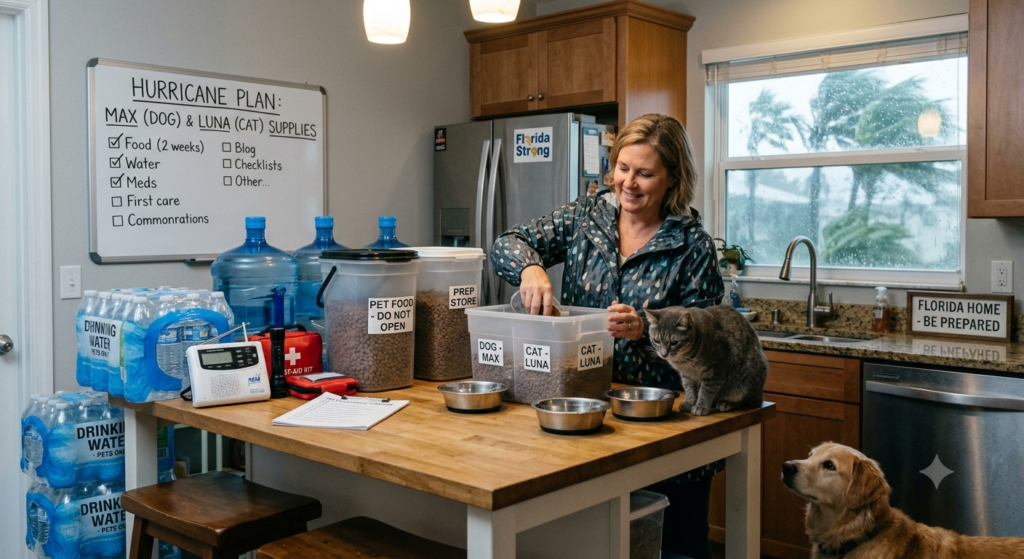
A hurricane can turn a normal meal into a health emergency faster than many pet owners realize.
When a storm is approaching Florida, most pet parents think about food. They buy extra bags of kibble, stock canned food, fill water containers, and prepare evacuation supplies.
But there is a problem.
Having food is not the same as feeding your pet safely.
During a hurricane, stress, heat, power outages, flooding, disrupted routines, and limited access to veterinary care can turn seemingly harmless feeding decisions into serious health problems.
That extra can of food may have been stored incorrectly. The leftovers in your refrigerator may no longer be safe. Your anxious dog may be eating too many treats. Your cat may refuse food for longer than is safe. Your pet’s prescription diet may suddenly run out.
These are the kinds of hurricane diet mistakes that can leave a pet sick at exactly the time when veterinary access may be more difficult.
At UrbanPawz Animal Clinic, we believe hurricane preparedness should include more than an emergency bag. It should include a safe, realistic nutrition plan for your pet.
This guide explains the most common hurricane diet mistakes pet owners should avoid—and what to do instead.
Quick Answer: What Are the Most Dangerous Hurricane Diet Mistakes for Pets?
The most common mistakes include:
- Making a sudden change to your pet’s diet.
- Feeding food spoiled by a power outage.
- Feeding pet food exposed to floodwater.
- Giving excessive treats or human food.
- Forgetting your pet’s prescription diet.
- Underestimating the importance of hydration.
- Assuming a pet’s refusal to eat is only anxiety.
- Overfeeding a pet that is exercising less.
- Waiting too long to ask a veterinarian for advice.
The safest hurricane nutrition strategy is simple: maintain familiar, balanced nutrition; protect food and water from contamination; monitor appetite and hydration; and seek veterinary guidance when something changes.
Mistake #1: Changing Your Pet's Food at the Last Minute
A hurricane is not the ideal time to experiment with a new diet.
Yet many pet owners wait until a storm is approaching to discover that their regular food is sold out. They then purchase a completely different brand or formula and immediately switch their pet to it.
This can cause:
- Diarrhea
- Vomiting
- Gas
- Abdominal discomfort
- Food refusal
- Stress-related digestive problems
Your pet’s digestive system is accustomed to its usual diet. A sudden change can create additional stress during an already stressful event.
What to Do Instead
Keep a reliable supply of your pet’s normal food before hurricane season becomes active. If you need to change diets, transition gradually whenever possible.
If your pet has a medical condition or requires a therapeutic diet, speak with a veterinarian before making a major change.
Mistake #2: Feeding Food That Became Unsafe During a Power Outage
One of the most dangerous hurricane diet mistakes is assuming that food is safe simply because it looks normal.
A power outage can affect refrigerated pet food quickly.
The FDA recommends keeping refrigerators at or below 40°F and notes that an unopened refrigerator generally keeps food cold for about four hours. Perishable foods that have been held at room temperature for two hours or more—or one hour when temperatures exceed 90°F—should be discarded.
This is especially important in Florida, where indoor temperatures can rise quickly during a power outage.
Be Careful With:
- Opened cans of wet food
- Refrigerated fresh pet food
- Fresh meat used as a pet meal
- Homemade diets
- Opened pouches
- Food stored in a hot garage
When in doubt, throw it out.
The cost of replacing pet food is far less than the cost of treating a serious foodborne illness.
Mistake #3: Feeding Pet Food or Treats Exposed to Floodwater
Floodwater is not simply dirty water.
It may contain sewage, chemicals, bacteria, and other contaminants.
Food packaging that comes into contact with floodwater can become unsafe—even if the food inside appears untouched.
The FDA specifically warns that flooding can contaminate food and water supplies and recommends taking precautions to protect food from contaminated water during storms.
Throw Away:
- Open pet food exposed to floodwater
- Treats exposed to contaminated water
- Damaged bags of kibble
- Swollen, leaking, or damaged cans
- Food with unusual odor or appearance
Never rinse contaminated pet food and assume it is safe.
Mistake #4: Using Human Comfort Food to Calm an Anxious Pet
When a hurricane is loud and frightening, many pet parents want to comfort their animals.
That instinct is completely understandable.
However, repeatedly sharing human food can create a new problem.
Common storm-time feeding mistakes include giving pets:
- Salty snacks
- Fatty leftovers
- Seasoned meat
- Greasy foods
- Chocolate
- Grapes or raisins
- Foods containing onions or garlic
- Sugar-free products containing xylitol
Some of these foods can cause severe illness.
A Better Way to Comfort Your Pet
Use familiar treats in moderation.
You can also comfort your pet through:
- Calm interaction
- A familiar blanket
- A quiet safe space
- Gentle play when appropriate
- A consistent feeding routine
Your pet does not need a plate of human food to feel loved.
Mistake #5: Forgetting That Treats Still Count as Calories
Storms often disrupt normal routines.
Your pet may exercise less. You may spend more time indoors. And because your dog looks anxious, you may offer treats throughout the day.
A few treats can quickly become many treats.
This can contribute to:
- Weight gain
- Digestive upset
- Pancreatitis risk in susceptible pets
- Disrupted appetite at mealtimes
The goal is not to eliminate treats. It is to use them intentionally.
Try This Instead
Measure your pet’s daily treats in advance.
Then use that amount throughout the day for:
- Positive reinforcement
- Calm behavior
- Training
- Comfort
If your pet has diabetes, obesity, pancreatitis, or another health condition, ask your veterinarian how treats should fit into the overall nutrition plan.
Mistake #6: Running Out of Prescription Food
For some pets, food is part of their medical treatment.
A prescription diet may help manage conditions such as:
- Kidney disease
- Diabetes
- Food allergies
- Urinary disease
- Gastrointestinal disorders
- Liver disease
If a hurricane disrupts stores, shipping, or transportation, replacing that diet may not be easy.
Your Hurricane Plan Should Include:
- Extra prescription food
- A current medication supply
- Your veterinarian’s contact information
- Feeding instructions
- A plan for what to do if supplies become limited
Do not wait until the day before a hurricane to discover that your pet has only one meal of therapeutic food remaining.
Mistake #7: Assuming Your Pet Is Drinking Enough Water
A bowl of water does not necessarily mean your pet is adequately hydrated.
During a hurricane, pets may drink less because of:
- Anxiety
- Heat
- Changes in routine
- Reduced appetite
- Illness
Dogs may also lose more fluid through panting.
Cats can be especially difficult to monitor because they often hide signs of illness.
Watch for:
- Dry or sticky gums
- Weakness
- Lethargy
- Reduced urination
- Excessive panting
- Vomiting or diarrhea
Always provide clean drinking water.
For some pets, moisture-rich food can also contribute to daily fluid intake.
If you are concerned about dehydration, contact a veterinarian promptly.
Mistake #8: Assuming a Pet That Refuses Food Is “Just Stressed”
Yes, hurricanes can affect appetite.
But appetite loss can also be a sign of illness.
A cat that refuses food may need prompt veterinary attention. Puppies, kittens, senior pets, and animals with chronic medical conditions may also be more vulnerable when they stop eating.
Do not automatically dismiss appetite loss as anxiety.
Ask Yourself:
- How long has my pet refused food?
- Is my pet drinking?
- Is my pet vomiting?
- Is there diarrhea?
- Is my pet unusually tired?
- Does my pet have a medical condition?
- Is my pet taking medication?
If you are uncertain, veterinary guidance is the safest next step.
Mistake #9: Feeding Too Much Because Your Pet Is Exercising Less
During a hurricane, your pet may spend much more time indoors.
That means fewer walks, less outdoor play, and lower activity levels.
However, many owners continue feeding the same amount—or even increase portions because their pet seems bored.
Overfeeding during extended periods of inactivity can contribute to unwanted weight gain.
Better Approach
Maintain your pet’s normal feeding routine unless your veterinarian recommends a change.
Use indoor enrichment activities when safe:
- Puzzle feeders
- Training exercises
- Interactive toys
- Short indoor play sessions
For pets with specific weight-management needs, a veterinarian can help determine appropriate portions.
Mistake #10: Trusting Viral Pet Nutrition Advice During a Crisis
Hurricane emergencies create confusion.
Social media may circulate advice such as:
- “Feed your dog this one ingredient.”
- “Cats can live on tuna.”
- “This supplement prevents dehydration.”
- “A raw diet is best during emergencies.”
- “This human food cures stomach problems.”
Some advice may be harmless. Some may be wrong. Some may be dangerous.
Your pet’s nutritional needs depend on factors such as:
- Age
- Species
- Breed
- Weight
- Activity
- Medical history
- Current diet
The internet cannot examine your pet.
When a question affects your pet’s health, use reliable veterinary guidance rather than relying solely on viral posts.
The Hurricane Nutrition Rule Every Pet Parent Should Remember
When a storm is approaching, think:
Familiar. Safe. Balanced. Hydrated. Monitored.
Familiar
Keep your pet’s normal diet available whenever possible.
Safe
Protect food from heat, moisture, power outages, and floodwater contamination.
Balanced
Avoid replacing complete nutrition with random table scraps or excessive treats.
Hydrated
Provide clean water and monitor drinking habits.
Monitored
Pay attention to appetite, vomiting, diarrhea, energy, and behavior.
This simple framework can help you avoid many of the most common hurricane diet mistakes.
What Should Be in Your Pet's Hurricane Nutrition Kit?
Prepare before a storm is approaching.
Your kit should include:
- Your pet’s regular food
- Extra food for potential delays
- Prescription diets
- Clean drinking water
- Food and water bowls
- Measuring cup
- Manual can opener
- Airtight storage containers
- Familiar treats
- Medication
- Your veterinarian’s contact information
Store food in a cool, dry place protected from flooding.
The FDA recommends storing dry pet food and unopened canned food in a cool, dry place, with temperatures below 80°F when possible, and promptly refrigerating or discarding leftover canned or pouched food.
When Pet Telehealth Can Help During Hurricane Season
A hurricane can make travel difficult.
Roads may be unsafe. Your pet may be anxious. Your regular routine may be disrupted.
For appropriate non-emergency concerns, a virtual veterinary consultation can provide a convenient way to discuss issues such as:
- Diet and nutrition
- Appetite changes
- Digestive concerns
- Behavioral changes
- Anxiety and stress
- Senior pet care
- Follow-up questions
UrbanPawz Animal Clinic offers virtual veterinary consultations through UrbanVirtualz for eligible concerns, including dietary advice, general wellness questions, and follow-up discussions. The clinic notes that virtual care is consultation-only and that an in-person examination may be recommended when physical examination, diagnostic testing, or treatment is needed.
Telehealth is not a replacement for emergency veterinary care.
If your pet has difficulty breathing, collapses, experiences severe bleeding, has a seizure, or may have been poisoned, seek urgent veterinary care.
When Pet Telehealth Can Help During Hurricane Season
During a storm, ask yourself these five questions:
1. Did my pet eat?
Monitor how much and when.
2. Did my pet drink?
Check water intake, especially during heat or illness.
3. Is the food still safe?
Check storage conditions and potential contamination.
4. Is my pet acting normally?
Changes in energy or behavior may matter.
5. Do I need veterinary guidance?
When in doubt, ask.
You do not need to diagnose your pet alone.
The Storm May Be Unpredictable. Your Pet's Nutrition Plan Shouldn't Be.
Hurricane season is stressful enough without discovering that your pet’s food has spoiled, your emergency supplies are incomplete, or your pet’s diet has suddenly changed.
The best time to prevent hurricane diet mistakes is before the storm arrives.
Prepare your pet’s food supply. Protect their water. Stock necessary prescription diets. Avoid dangerous foods. Monitor appetite and hydration. And know how to reach your veterinary team when you need guidance.
Frequently Asked Questions About Hurricane
Yes. A sudden diet change can cause digestive upset in some pets. Whenever possible, keep your pet on their familiar, complete and balanced diet and transition gradually if a change is necessary.
Perishable food safety depends on temperature and storage conditions. If opened wet food has been left unrefrigerated in warm conditions, it may no longer be safe. When in doubt, discard it and follow food safety guidance.
Yes. Floodwater may contain contaminants, sewage, chemicals, and harmful microorganisms. Keep pets away from floodwater and discard food or treats contaminated by it.
Stop offering additional treats and monitor your dog for vomiting, diarrhea, abdominal discomfort, lethargy, or other concerning symptoms. If your dog has a history of pancreatitis or another medical condition, contact your veterinarian.
For appropriate non-emergency concerns, a virtual veterinary consultation may help with dietary advice, appetite questions, general wellness concerns, and follow-up guidance. UrbanPawz Animal Clinic offers virtual consultations for eligible concerns through UrbanVirtualz.
🐾 Don't Wait Until the Storm Is Coming to Think About Your Pet's Health
At UrbanPawz Animal Clinic, we help pet parents make informed decisions about nutrition, wellness, preventive care, and appropriate virtual veterinary support.
Whether you need help reviewing your pet's diet, managing a special nutritional need, understanding appetite changes, or determining whether a concern requires an in-person visit, our veterinary team can help you take the next appropriate step.
Schedule a pet nutrition or wellness consultation before the next storm arrives.
Because when hurricane season brings uncertainty, your pet's health plan should be one thing you can count on.
UrbanPawz Animal Clinic—helping Florida pet parents protect the health, nutrition, and well-being of the animals they love.

